


In today’s highly competitive market, stainless steel remains a cornerstone of industrial and manufacturing applications, thanks to its exceptional performance. Among the various forms of stainless steel, round bars stand out for their versatility and wide range of applications. As 2026 approaches, buyers need the latest and most comprehensive information to make informed purchasing decisions. This guide aims to shed light on key aspects of stainless steel round bars, helping buyers navigate their options and select the products best suited to their specific needs.
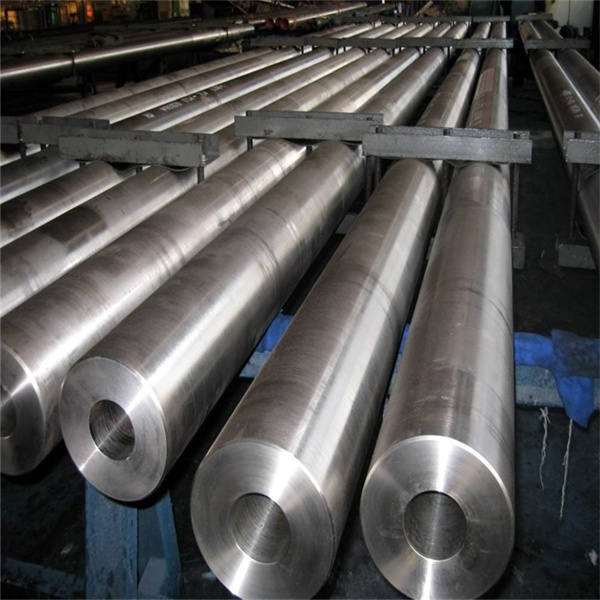
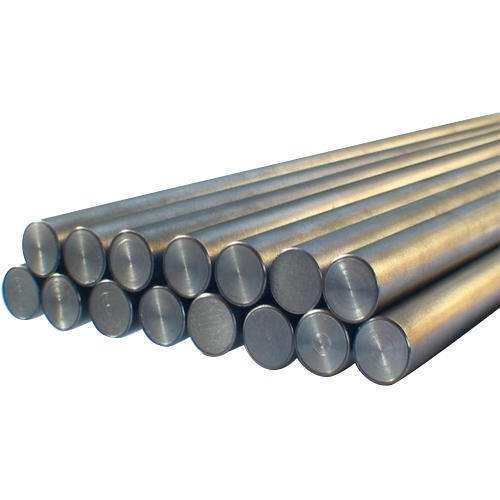
What Are Stainless Steel Round Bars?
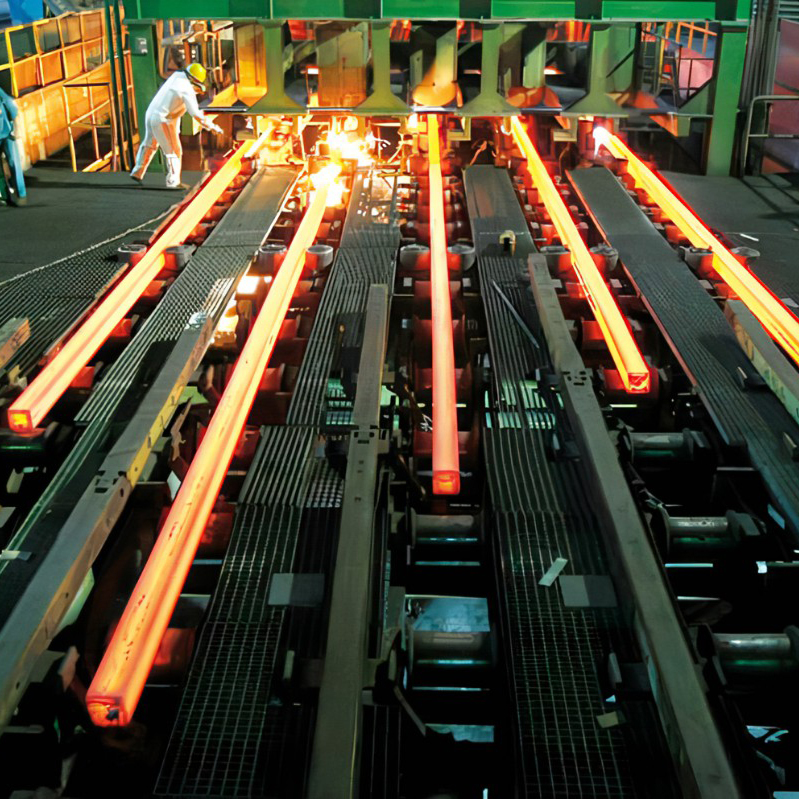
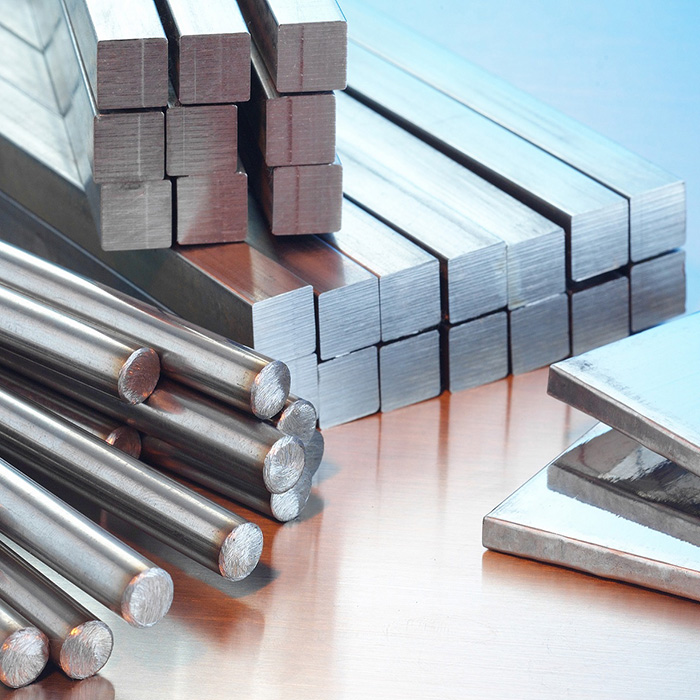
Stainless steel round bars are cylindrical products typically used for structural and mechanical purposes. They are renowned for their durability, corrosion resistance, and ability to withstand extreme temperatures and pressures. Manufactured through processes such as hot rolling, cold drawing, forging, and machining, these bars are available in various grades and sizes to meet diverse application requirements.
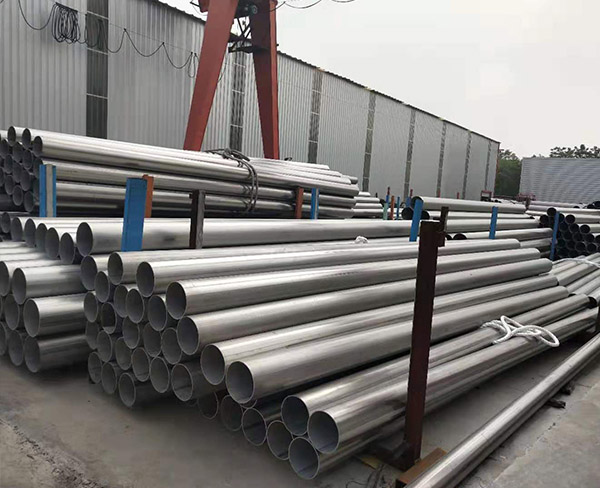
Types of Stainless Steel
Stainless steel round bars are produced from different types of stainless steel, each with a unique chemical composition and set of properties. The primary types include:
1. Austenitic Stainless Steel: Known for excellent corrosion resistance and good formability, grades such as 304 and 316 are widely used in the marine, food, and chemical industries. This type is non-magnetic and possesses high tensile strength.
2. Ferritic Stainless Steel: This category includes grades like 430, characterized by good corrosion resistance and magnetic properties. Ferritic stainless steel is frequently used in automotive and industrial applications.
3. Martensitic Stainless Steel: Grades such as 410 and 420 offer high hardness and strength, making them ideal for applications that require wear resistance. This type is commonly used for cutlery, tools, and dental instruments.
4. Duplex Stainless Steel: Combining the characteristics of both austenitic and ferritic stainless steel, duplex grades (such as 2205) offer superior strength and enhanced corrosion resistance, making them well-suited for chemical and marine environments. Key Factors for Buyers to Consider in 2026
When purchasing stainless steel round bars, buyers should take several factors into account to ensure they select a product that meets their specific requirements. Key considerations include:
1. Grade and Specification: Determine the appropriate stainless steel grade based on the intended application. Each grade offers unique advantages; for instance, 316 stainless steel provides excellent corrosion resistance, making it suitable for harsh environments.
2. Dimensions and Tolerances: Stainless steel round bars are available in a variety of sizes and tolerances. Understanding the specific dimensional requirements and tolerances for your application will help ensure compatibility and performance.
3. Surface Finish: The surface finish of a stainless steel round bar affects both its aesthetics and functionality. Polishing can enhance appearance and improve corrosion resistance, while certain industrial applications may require a specific, rougher surface finish to facilitate better adhesion or bonding.
4. Mechanical Properties: Evaluate mechanical properties—such as tensile strength, yield strength, and hardness—to ensure the round bars meet the demands of your specific application.
5. Certification and Compliance: In 2026, buyers should verify that the stainless steel round bars comply with relevant industry standards and regulations. Look for certifications such as ASTM, ISO, or DIN.
Applications of Stainless Steel Round Bars
Stainless steel round bars are used extensively across various industries, including:
1. Construction: Utilized for structural components, support beams, and decorative elements in buildings.
2. Automotive: Employed in the manufacturing of various automotive parts, such as axles, engine components, and fasteners.
3. Medical Devices: Due to their biocompatibility and high strength, they are an ideal material for surgical instruments, implants, and dental tools.
4. Food and Beverage: Used in the fabrication of food processing equipment and machinery, thanks to their corrosion resistance and ease of cleaning.
5. Marine Applications: Their superior resistance to seawater corrosion makes stainless steel round bars an excellent choice for marine hardware and underwater structures. Conclusion
Looking ahead to 2026, the demand for stainless steel round bars is expected to continue growing, driven by their reliable performance and widespread use across various industries. A solid understanding of the different grades, specifications, and applications of stainless steel round bars will enable buyers to make informed purchasing decisions. By considering the factors outlined in this guide, buyers can ensure they select the product that best meets their needs.
Post time: Oct-21-2026