


Copper Rods, Tubes, and Plates—Applications and Global Market Drivers
Copper is renowned for two key characteristics: superior electrical conductivity and excellent corrosion resistance. This combination of properties makes it an indispensable fundamental material across various industries. This article explores the specific uses of copper rods, tubes, and plates, as well as the international factors influencing their markets.
Copper Rods
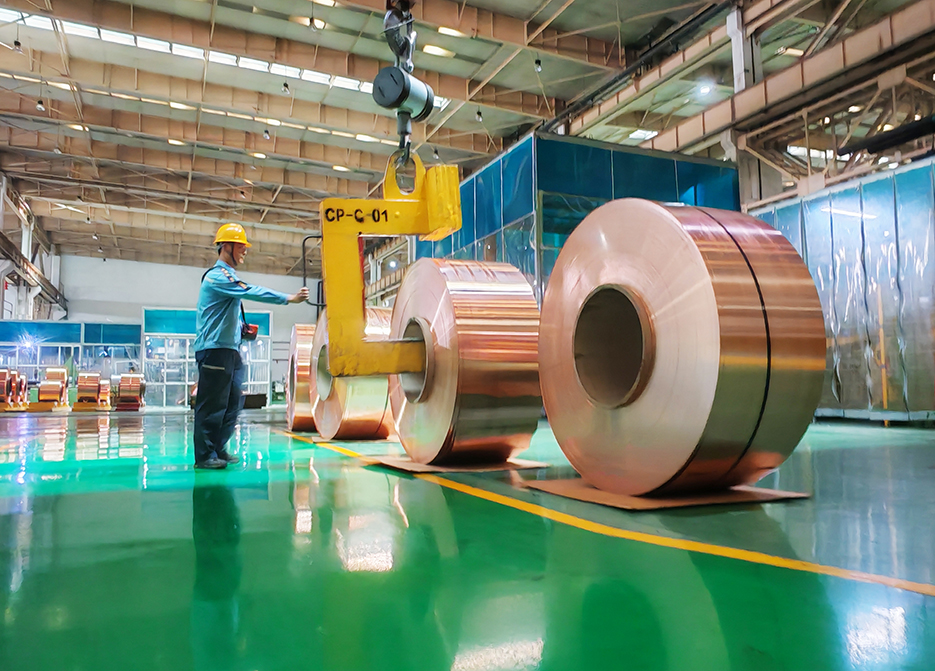
Copper rods are primarily used in the electrical sector. Thanks to their excellent conductivity, they are key components of wires and cables—effectively forming the “backbone” of power grids and various electronic devices. However, this is not their only application. Copper rods are also frequently used to manufacture fasteners such as screws and rivets, leveraging their strength and corrosion resistance. Additionally, in the construction industry, they are used in framework structures that must withstand high structural loads.
.png)
Copper Tubes
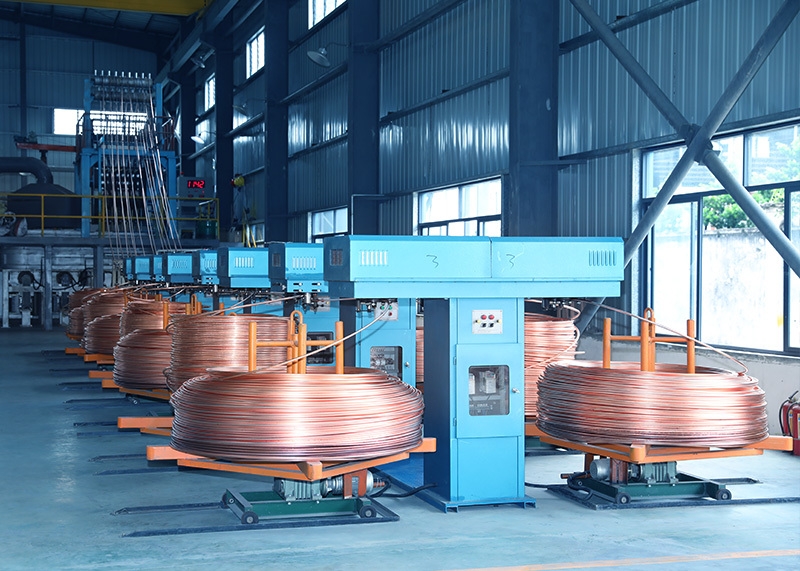
Copper tubes are widely popular due to their durability and versatility. They are the material of choice for plumbing and heating systems, capable of easily withstanding high-pressure and high-temperature environments, making them ideal for transporting water, gas, and oil. Their efficient heat exchange capabilities also make them vital in refrigeration and air conditioning systems. In medical settings, copper tubes are highly valued for the antimicrobial properties of their surfaces, which help reduce the risk of infection in water supply systems.
Copper Plates
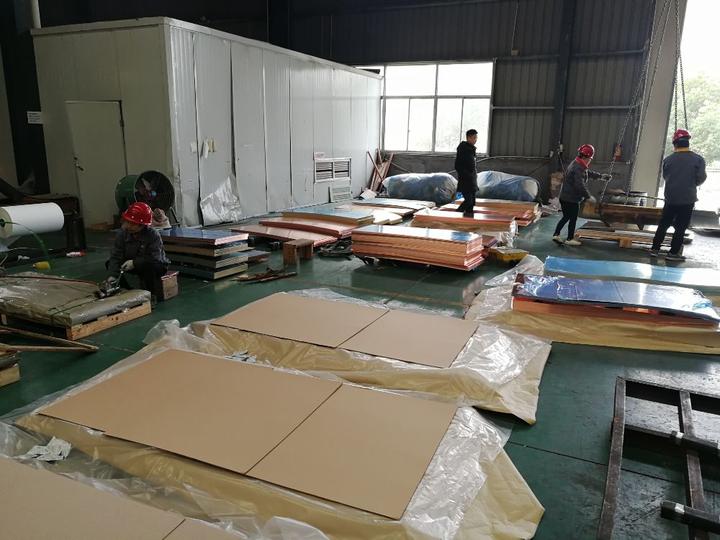
Copper plates are common in industrial sectors, particularly in the manufacturing of machinery and equipment. Their high thermal and electrical conductivity makes them essential materials for producing heat exchangers, transformers, and electrical components. In construction, copper plates are often used for exterior cladding, offering both aesthetic appeal and durability. Furthermore, they serve as electrodes in electroplating processes, facilitating the creation of various coatings and surface finishes.
Global Market Overview
The global copper market does not exist in isolation; it is influenced by a variety of factors, including economic trends, geopolitics, and technological advancements. Currently, a major driver of demand growth is the transition toward renewable energy. As nations strive to reduce their carbon footprints, the manufacturing of solar panels, wind turbines, and electric vehicles requires vast amounts of copper. This places copper at the heart of the transition to sustainable energy.
China plays a pivotal role in this sector. As the world’s largest consumer and importer of copper, China’s urbanization and rapid infrastructure development consume immense quantities of the metal, thereby influencing global copper prices and supply chains. Furthermore, China’s increasingly stringent environmental regulations are transforming copper mining and smelting practices—shifts that could impact supply and pricing in international markets.
Geopolitical factors can also disrupt copper trade. Tensions between major producers and consumers may lead to supply chain interruptions. For instance, political instability in copper-rich regions like Chile or Peru could slow extraction, causing supply fluctuations and driving up prices elsewhere.
Technological advancement is another critical factor. Innovations in mining and smelting—such as more efficient extraction processes, reduced environmental impact, and improved recycling methods—help enhance supply chain sustainability to meet growing market demand. Countries that invest in such technology-driven solutions will be better positioned to capitalize on the rising demand for copper products.
In summary, copper rods, tubes, and sheets remain indispensable across numerous industries, largely due to copper’s unique physical and chemical properties. Its diverse applications underscore its importance in daily life, even as the global landscape presents a complex interplay of economic growth, geopolitical tensions, and technological progress. As the world moves toward a more sustainable and interconnected future, copper will continue to play a vital role in shaping industrial landscapes and economic development.
Post time: Oct-10-2026