


The Many Surprising Uses of Steel Coil
Steel coils are one of those materials you don’t really notice until you start looking. They’re strong, durable, and flexible enough to show up in all sorts of industries. These coiled sheets of steel are made through processes like hot rolling and cold rolling, and those methods help decide what the steel can do and where it can be used. Once you understand how steel coils are used, it’s easier to see why they matter so much in modern manufacturing and construction.
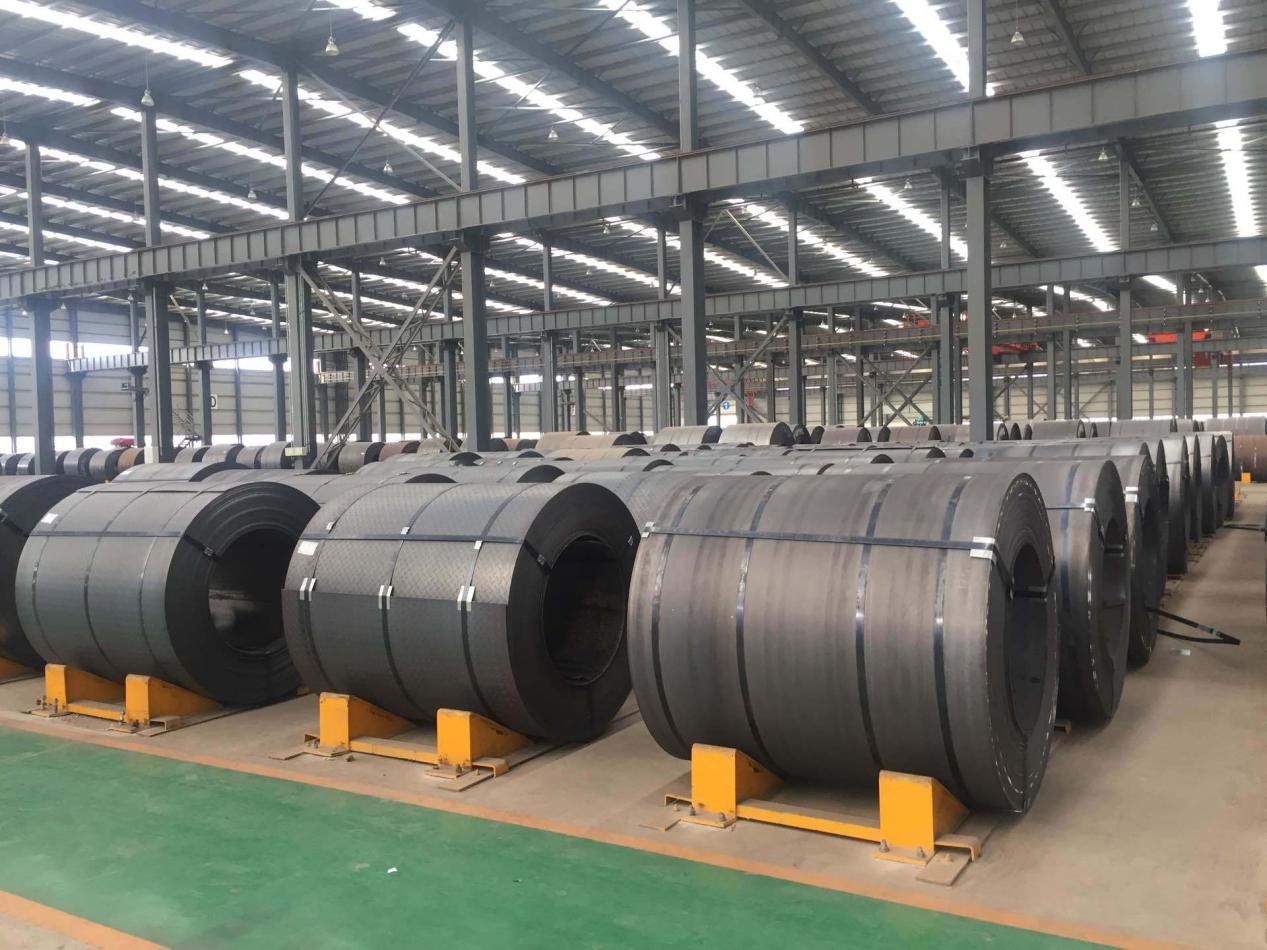
Manufacturing and Machinery
A lot of machinery and equipment starts with steel coils. Steel is tough but still workable, which makes it great for parts that need to handle wear and tear. Some of the big applications include:
1. Automotive industry: Steel coils are a huge part of carmaking. They go into car bodies, frames, doors, and engine components. The strength of steel helps vehicles stay safe and last longer, while its ability to be shaped means manufacturers can create complex designs.
2. Appliances: Plenty of household and industrial appliances use steel parts made from coils. Refrigerators, washing machines, ovens, and microwaves all depend on steel for structural components—and that helps them stay reliable over the years.
3. Heavy machinery: Construction and agricultural equipment deal with a lot of stress and impact. Steel coils are used for frames, supports, and other critical parts so the machines can hold up under tough conditions.
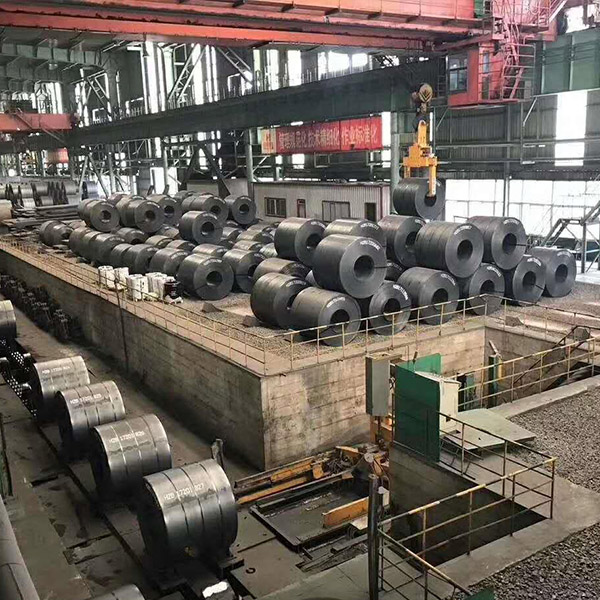
Construction Industry
Construction is another area where steel coils really shine, thanks to their structural strength and adaptability. They’re used in both homes and commercial buildings. Here’s how:
1. Structural components: Columns, beams, and trusses often come from steel made from coils. Steel gives buildings the support and stability they need to handle environmental stresses.
2. Roofing and siding: Steel coils are processed into sheets and panels for roofing and siding. These applications help protect against weather, add fire resistance, and last a long time.
3. Infrastructure: Bridges, overpasses, and tunnels often use steel coils in their construction. The material’s high tensile strength and ability to handle heavy loads and harsh conditions make it pretty much essential for infrastructure projects.
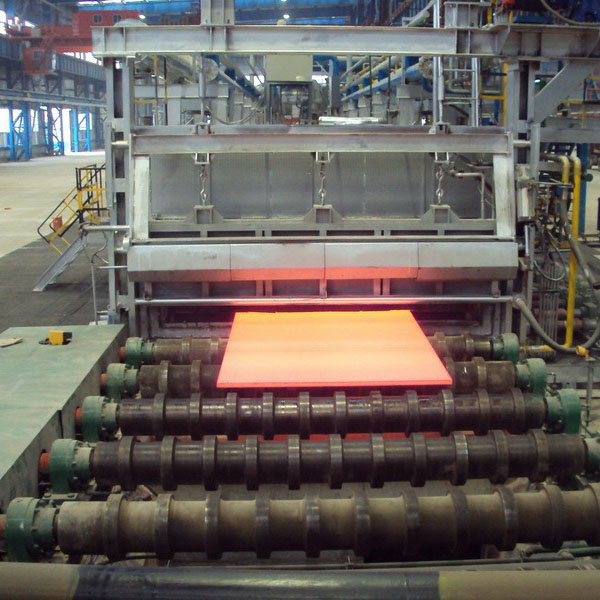
Packaging and Storage
Steel coils also matter in packaging and storage because they can be molded and shaped into products that protect what’s inside:
1. Packaging: Metal packaging—like cans for food and beverages—often uses steel made from coils. That helps keep products preserved and protected from contaminants and physical damage.
2. Storage tanks: Steel coils are used to make storage tanks for liquids and gases, including water, oil, and chemicals. Steel’s strength and impermeability help ensure safe storage under different conditions and pressures.
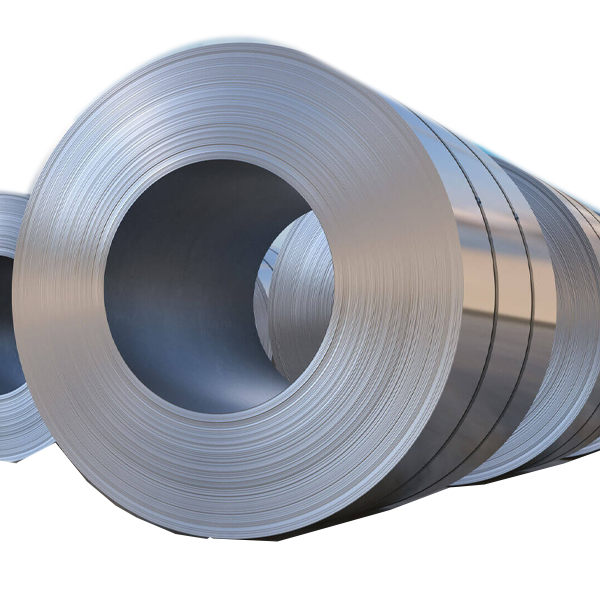
Energy Sector
The energy sector needs materials that are durable and reliable, and steel coils fit that bill:
1. Pipelines: The oil and gas industry uses steel coils to manufacture pipelines. These pipelines have to handle high pressures and possible environmental impacts, so steel is a natural choice.
2. Wind turbines: Structural parts of wind turbines, like towers and nacelles, often use steel coils. Steel’s toughness helps turbines stand up to strong winds and other elements over time.

Conclusion
Steel coils are a real linchpin across many industries—they’re versatile and hard to replace. From automotive manufacturing to large construction projects, from household appliances to critical energy infrastructure, steel coils provide the durability, safety, and efficiency that modern life depends on. And as technology moves forward and new applications come up, their role will likely keep growing, cementing steel coils as an essential material in all sorts of sectors.
Post time: Oct-09-2026