


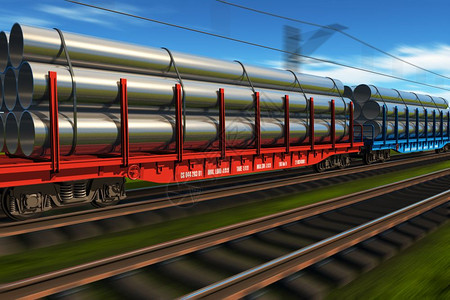
With their diverse range of applications and a robust manufacturing process that ensures superior quality and reliability, seamless steel pipes have become an indispensable component of modern industrial practice. Unlike other types of steel pipes, seamless pipes are distinguished by their unique production method and their extensive utility across various sectors. Understanding how seamless steel pipes are manufactured and applied helps clarify their significance in today’s industrial landscape.
The Manufacturing Process of Seamless Steel Pipes
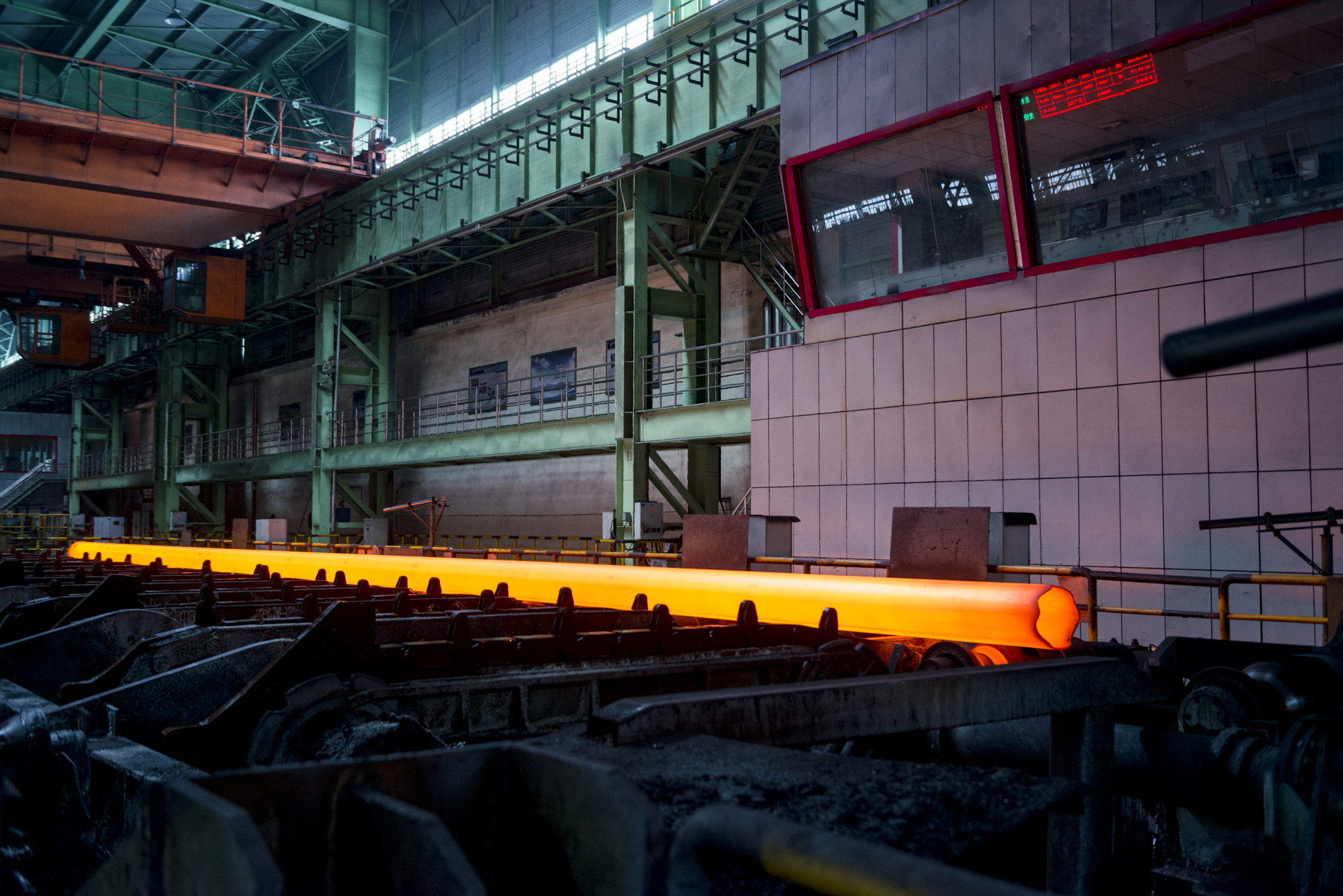
The production of seamless steel pipes is a complex process that begins with solid steel billets—a stark contrast to welded pipes, which are fabricated from flat steel strips. Because they lack seams, seamless pipes offer greater strength and are less prone to failure under high pressure or in harsh operating conditions. The manufacturing process for these high-quality pipes involves the following steps:
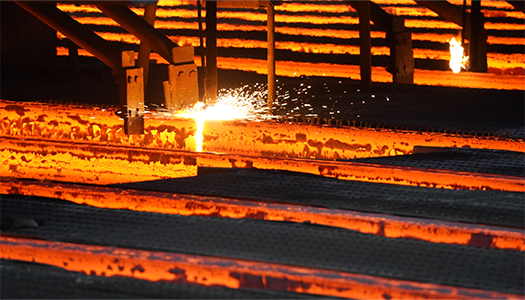
1. Billet Preparation: The process begins by cutting solid steel billets to the required length. These billets are then heated to high temperatures to achieve the necessary ductility for subsequent processing.
2. Piercing: Once heated in a rotary furnace, the billets are fed into a piercing mill. In this step, a mandrel is used to pierce the billet, creating a hollow tube. Frequent inspections during this stage ensure the production of uniform, defect-free tubing.
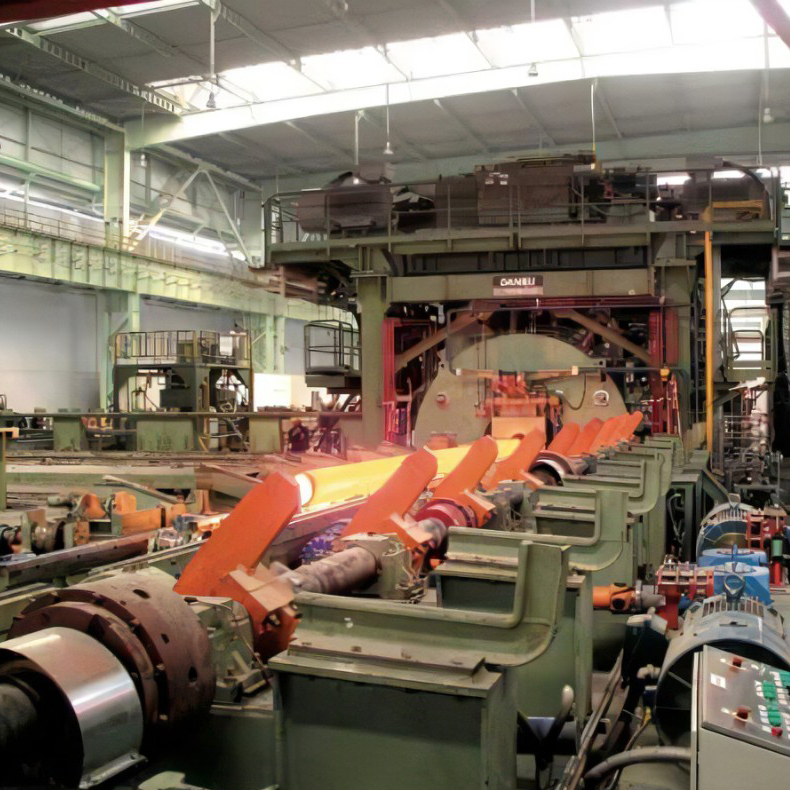
3. Rolling and Elongation: The pierced billets undergo rolling and elongation through various methods—such as using a rotary elongator, a plug mill, or a Pilger mill—to increase the pipe’s length while refining its wall thickness and diameter.
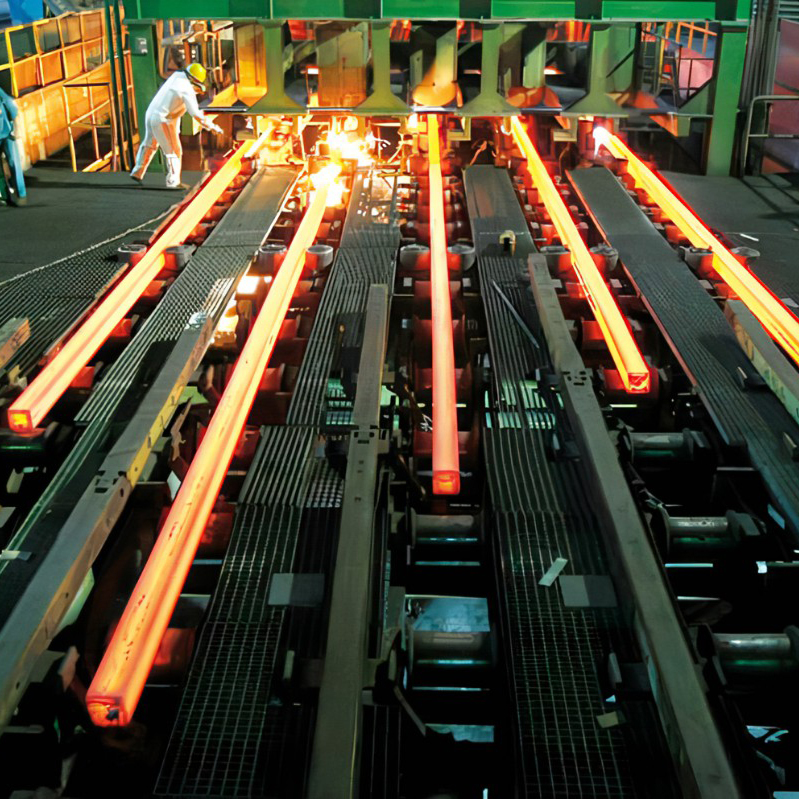
4. Sizing and Finishing: The pipes are passed through a sizing mill, where precision tools refine their dimensions to meet exact specifications. Following sizing, the pipes undergo additional processes—including heat treatment, straightening, and inspection—to ensure the finished product adheres to rigorous standards.
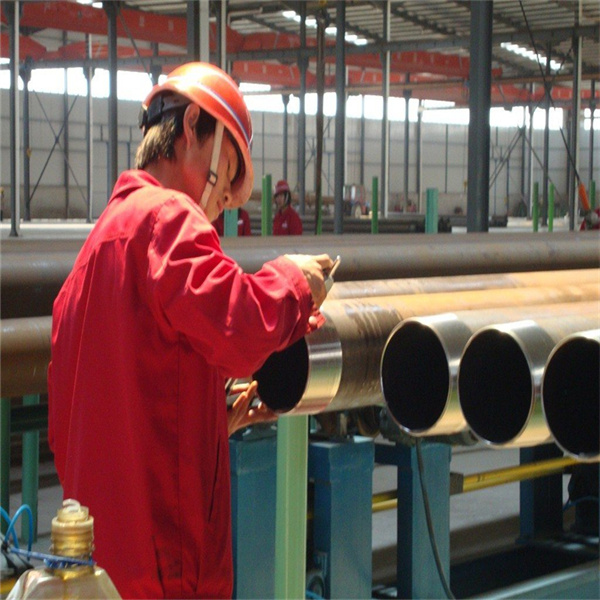
5. Quality Control: The final stage involves stringent quality control measures, such as ultrasonic testing, X-ray inspection, and hydrostatic testing, to verify the structural integrity of the pipes and ensure they meet all required specifications. Applications of Seamless Steel Pipes
The robustness of seamless steel pipes makes them widely used across numerous industries, particularly those characterized by demanding environments and rigorous operating conditions.
Their versatility is highlighted by the following key applications:
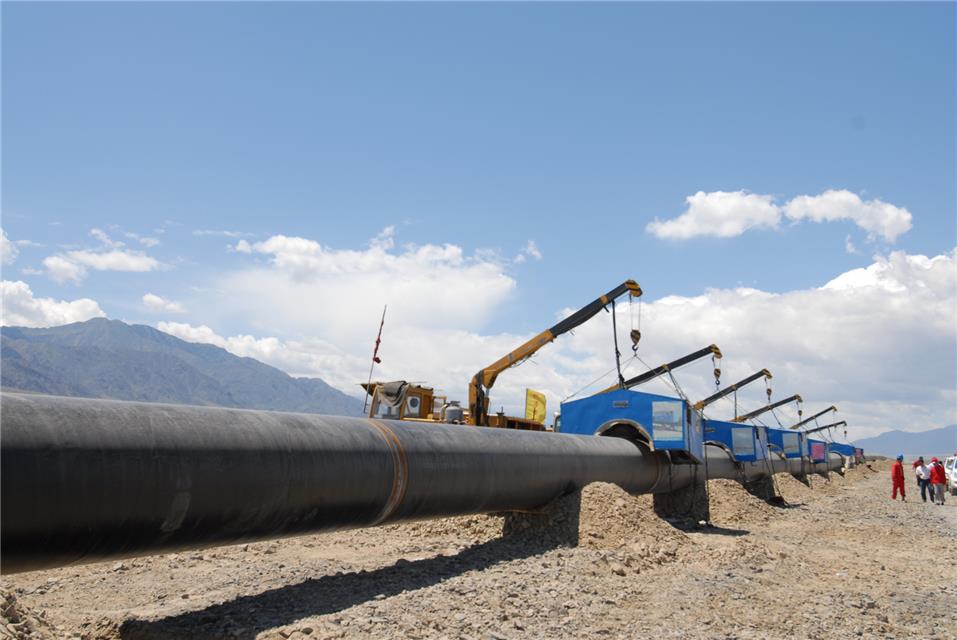
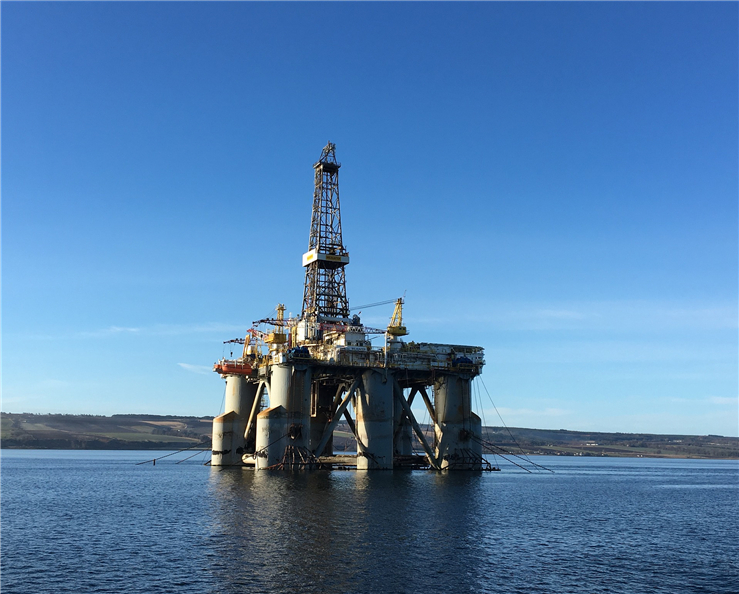
1. Oil and Gas Industry: Seamless steel pipes are indispensable to the oil and gas sector, serving critical roles in drilling operations, transportation, and refining. Their ability to withstand high pressure and corrosive environments makes them an ideal choice for both upstream and downstream applications.
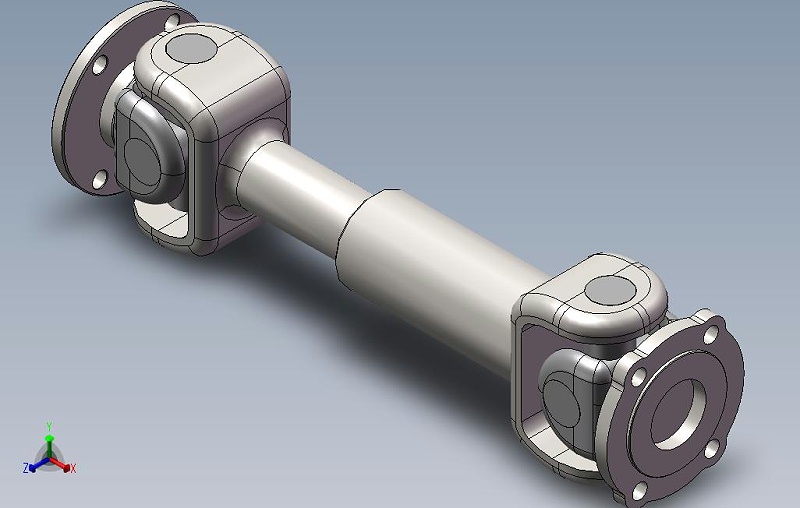
2. Automotive Industry: The automotive sector utilizes seamless steel pipes to manufacture precision components—such as those for fuel injection systems, hydraulic systems, and structural supports—that must remain reliable under dynamic operating conditions.
3. Chemical Processing: In the chemical industry, these pipes are vital due to their resistance to corrosion and chemical reactions. They facilitate the safe transport and handling of corrosive chemicals and liquids.
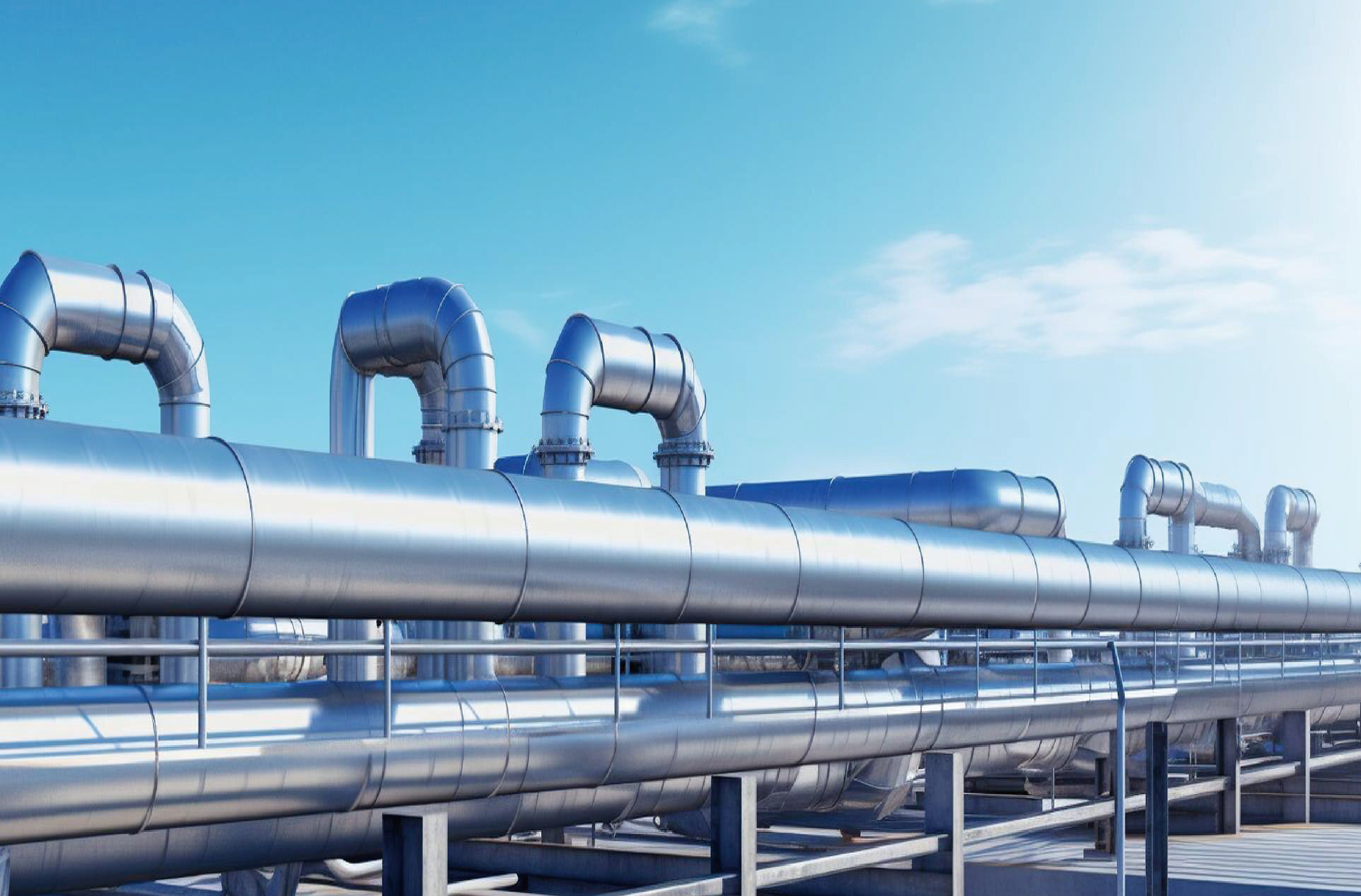
4. Power Generation: Seamless steel pipes are used for boiler tubes, heat exchangers, and condensers in thermal and nuclear power plants. Their exceptional heat resistance and strength are essential for efficient power generation and transmission.

5. Construction and Infrastructure: Seamless steel pipes are essential materials for constructing robust frameworks, scaffolding, and structural supports, significantly enhancing load-bearing capacity and service life
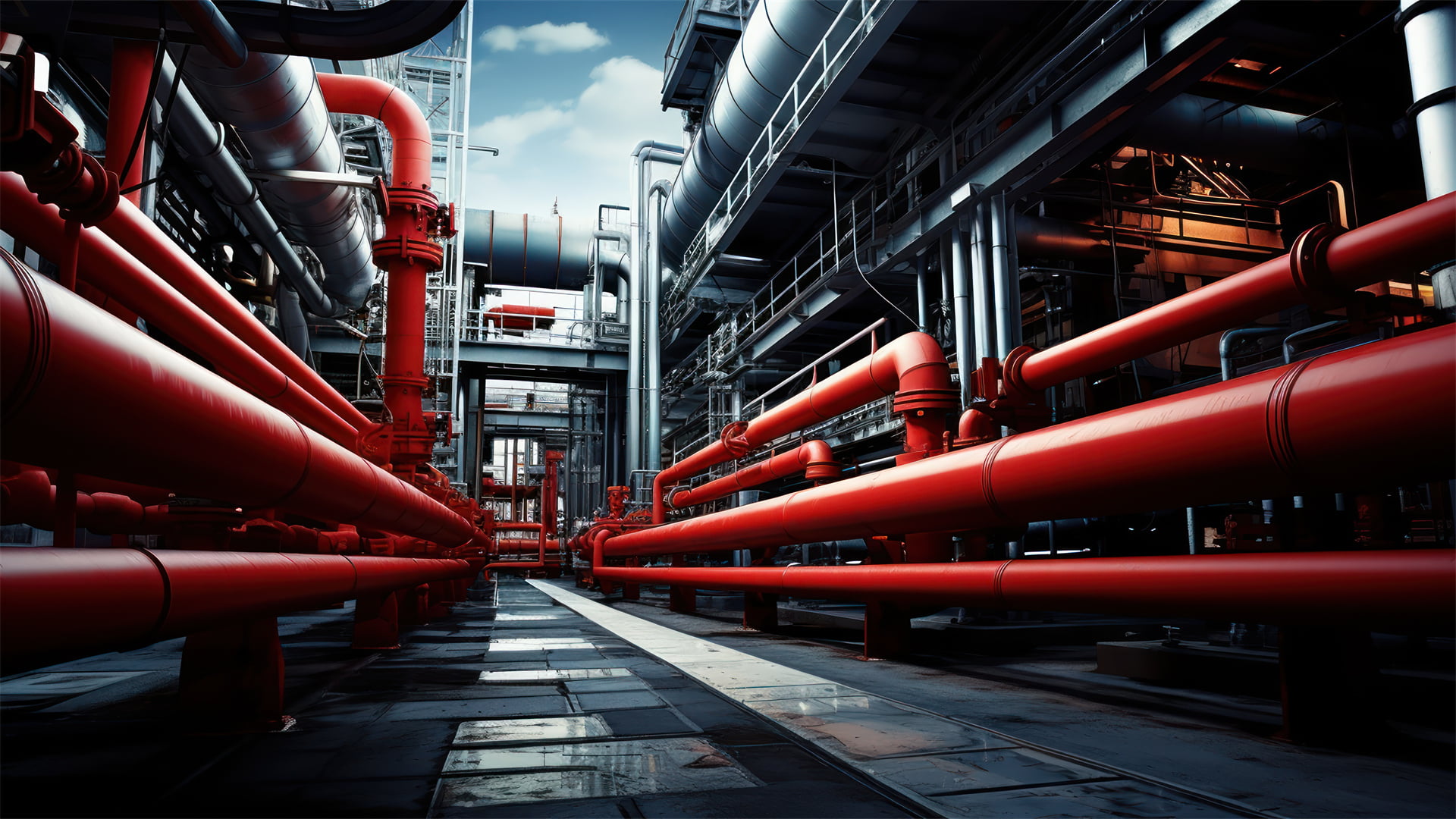
6. Aerospace Engineering: The aerospace industry employs seamless steel pipes in various applications, including hydraulic systems and landing gear components, where the requirements for precision and strength are exceptionally high.
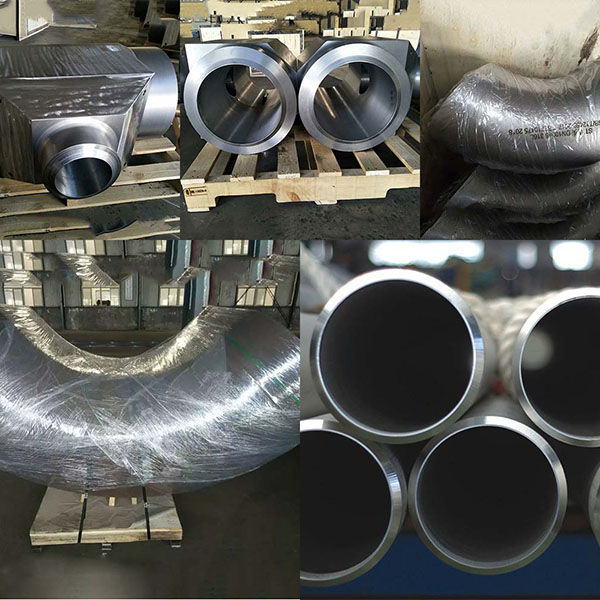
Seamless steel pipes offer several advantages that contribute to their widespread use:
- Higher Strength: The absence of welded seams allows these pipes to withstand greater internal and external pressures.
- Consistency: The manufacturing process ensures uniformity in quality and dimensions, meeting precise engineering specifications.
- Corrosion Resistance: Their inherent resistance to corrosion and wear makes them suitable for use in extreme environmental conditions. – Versatility: Seamless steel pipes are available in a wide range of sizes, materials, and specifications, and can be customized to meet specific industrial requirements.
Conclusion
With their unparalleled strength, reliability, and broad range of applications, seamless steel pipes continue to revolutionize various industries. Precision manufacturing processes ensure that every pipe meets rigorous quality standards, making them the preferred choice for demanding applications—from oil extraction to aerospace engineering. As technology advances, the potential applications for seamless steel pipes will continue to expand.
Post time: Nov-03-2026