


When discussing metals and alloys, the terms “copper,” “brass,” and “bronze” are often confused. However, each of these materials possesses unique properties, uses, and historical origins. Understanding the differences between them is highly beneficial for a wide range of applications—from industrial manufacturing to everyday household items.

Copper: A Foundational Metal
Copper is one of the oldest metals known to humanity, with a history of use dating back thousands of years. Pure copper is characterized by a distinct reddish-brown color and is highly valued for its excellent electrical conductivity, corrosion resistance, and ductility. It has served as a cornerstone in the development of human civilization, appearing in everything from tools and weapons to electrical wiring and plumbing.

Key properties of copper include:
- Electrical Conductivity: Second only to silver in terms of electrical conductivity, copper is an indispensable material for manufacturing electrical components.
- Corrosion Resistance: While copper can corrode, it develops a protective layer known as a “patina,” which helps prevent further degradation.
- Ductility and Malleability: Copper is easy to shape and retains significant mechanical strength even when drawn into wires.

Brass: A Versatile Alloy
Brass is primarily composed of copper and zinc, with small amounts of other metals—such as lead or tin—sometimes added to enhance its performance. By adjusting the ratio of copper to zinc, brass can be engineered to exhibit specific characteristics. Due to its bright, gold-like appearance, it is frequently used for decorative purposes.
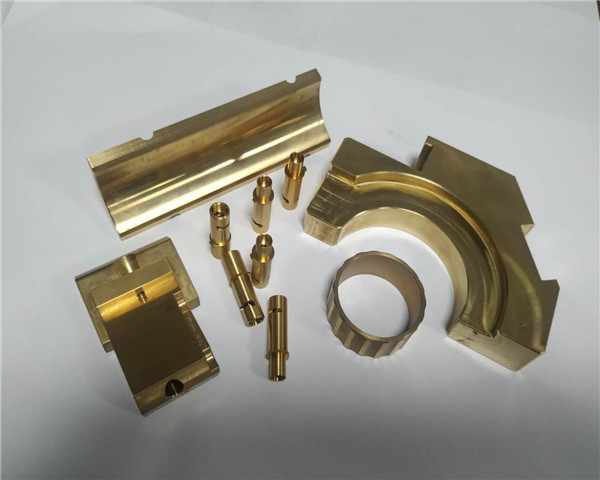
Key properties and uses of brass include:
- Color and Aesthetics: With its unique luster and golden hue, brass is well-suited for crafting musical instruments, decorative accessories, and jewelry.
- Workability: Brass is easier to process than pure copper, making it suitable for various manufacturing techniques, including casting, forging, and stamping.
- Corrosion Resistance: Like copper, brass offers a degree of corrosion resistance, though it is more susceptible to wear in environments with high salt content. – Acoustic Properties: Brass possesses excellent resonance, making it an ideal material for crafting musical instruments such as trumpets and trombones.
Bronze: An Ancient Alloy
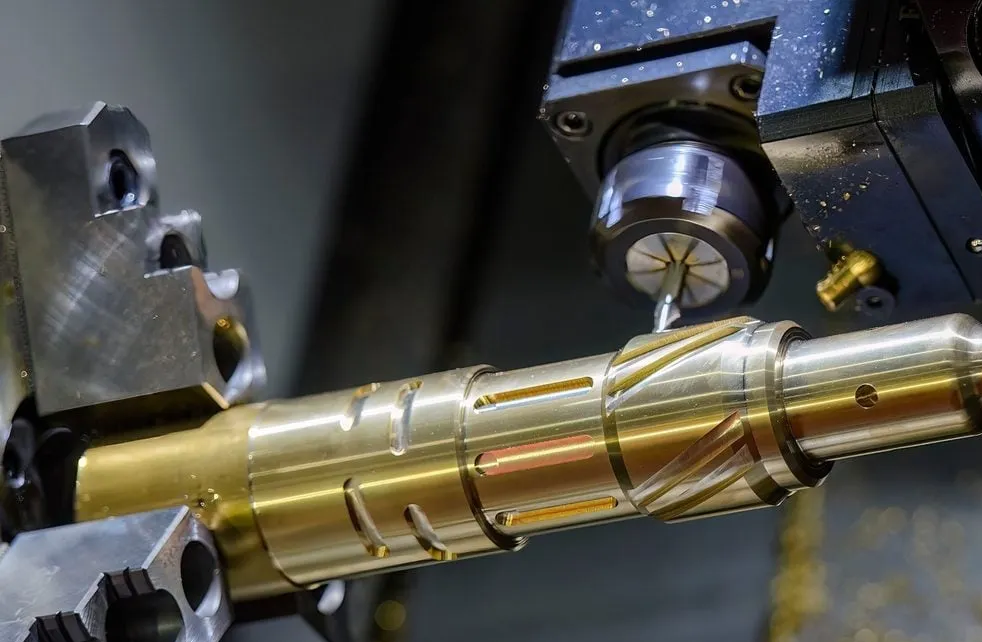
Bronze is an alloy composed primarily of copper, with the addition of elements such as tin, aluminum, manganese, or even nickel. Historically, bronze was one of the first alloys ever developed, ushering human civilization into the “Bronze Age.” It is characterized by a distinct reddish-brown hue and is renowned for its durability and historical significance.

The properties and applications of bronze include:
- Durability: Compared to pure copper, bronze is harder and more wear-resistant, making it well-suited for mechanical equipment and robust structural components.
- Corrosion Resistance: Bronze performs better than brass in marine environments, making it suitable for marine hardware and underwater installations.
- Historical and Cultural Significance: From ancient weapons and sculptures to modern-day medals and works of art, bronze has played a pivotal role in the development of human civilization.
- Machinability and Mechanical Performance: Capable of withstanding high pressure and high temperatures, bronze is an ideal material for manufacturing bushings, bearings, and gears.

Aluminum Bronze: An Advanced Alloy
Aluminum bronze is a specialized type of bronze in which aluminum serves as the primary alloying element. Compared to traditional bronze, this alloy offers superior strength, corrosion resistance, and wear resistance.
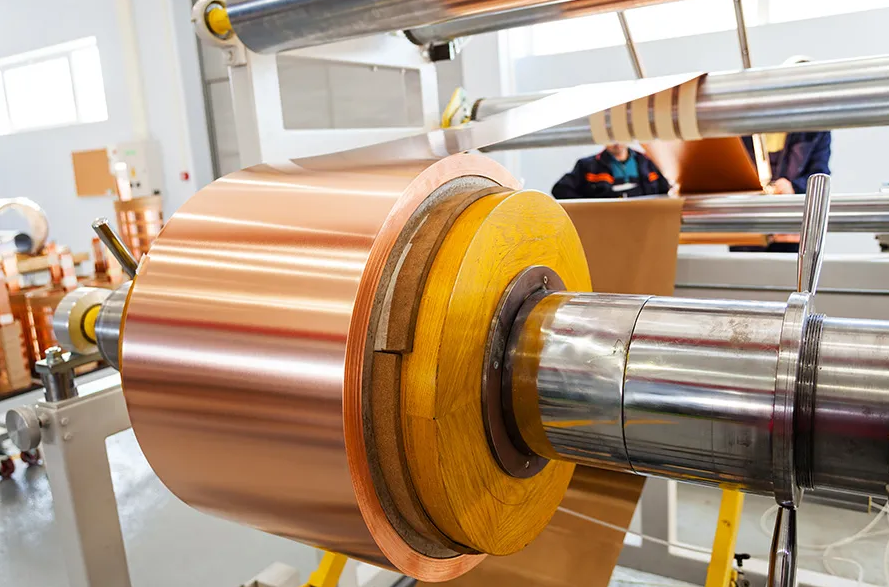
Key properties and applications of aluminum bronze include:
- Enhanced Strength: The addition of aluminum improves the alloy’s tensile strength and mechanical properties.
- Exceptional Corrosion Resistance: Aluminum bronze performs exceptionally well in environments exposed to seawater or industrial chemicals.
- Applications: Due to its robust characteristics, it is frequently used for high-load bearings, marine hardware, and aerospace components.

Conclusion
Copper, brass, and bronze each possess unique properties that make them suitable for a wide range of applications. While copper is indispensable due to its excellent electrical conductivity and ductility, alloys like brass and bronze further expand the versatility and utility of copper. Brass is prized for its aesthetic appeal and excellent acoustic properties, while bronze carries profound historical significance and offers superior durability. Aluminum bronze builds upon these foundations, further enhancing these qualities through increased strength and improved corrosion resistance.
Understanding these distinctions is essential when selecting the right material—whether for designing electronic devices, crafting musical instruments, or manufacturing marine hardware. Each alloy contributes its own unique value, not only preserving the traditions of metallurgical craftsmanship but also continuing to drive modern innovation.

Post time: Oct-27-2026