


Due to their durability, strength, and adaptability to a wide range of applications, steel plates have become highly versatile materials across various industries. Among the many types of steel plates, marine-grade steel and wear-resistant steel stand out as two important varieties with unique properties. When examining the scope of steel plate applications, it is essential to consider how these specific types address diverse industrial requirements.
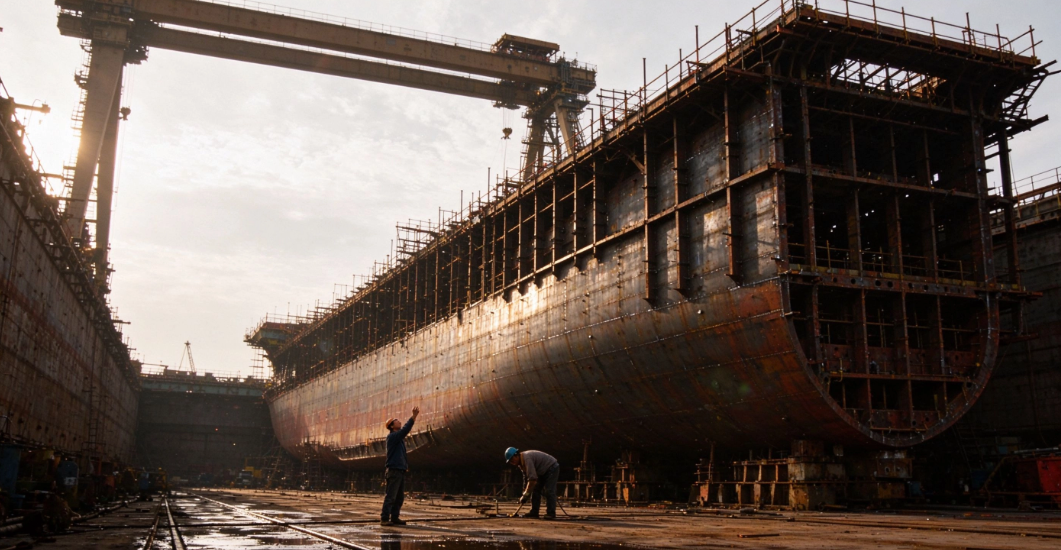
Marine-grade steel is a core component in the shipbuilding industry. Whether for commercial vessels, naval warships, or recreational craft, ships operating in diverse marine environments require robust materials to ensure structural integrity and longevity. Typically processed using specialized techniques, marine-grade steel offers excellent corrosion resistance, the ability to withstand extreme pressure, and resilience against harsh environmental factors such as saltwater erosion and the impact of ocean waves. Through specific treatment processes and the inclusion of alloying elements, these plates perform exceptionally well in such demanding conditions. Furthermore, marine-grade steel is extensively used in the construction of hulls, decks, and other critical structural elements, making it an indispensable material in marine engineering.
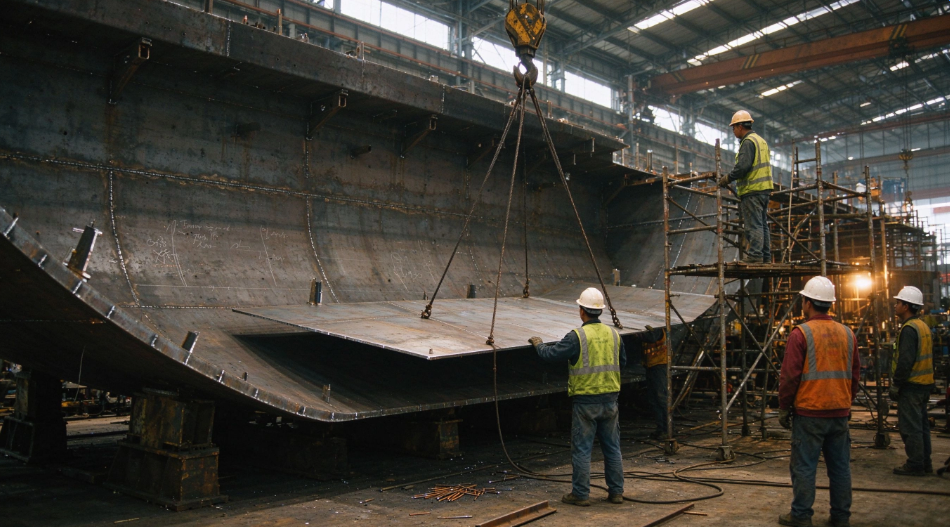
On the other hand, wear-resistant steel is specifically engineered to withstand severe abrasion, impact, and mechanical wear. In sectors such as mining, construction, and manufacturing—where machinery is frequently subjected to intense wear—wear-resistant steel is highly valuable. These plates undergo specialized hardening processes and may be alloyed with elements like chromium, which significantly enhances their hardness and resistance to wear. Thanks to these characteristics, wear-resistant steel extends the service life of equipment and effectively lowers maintenance costs by reducing the frequency of repairs and replacements.
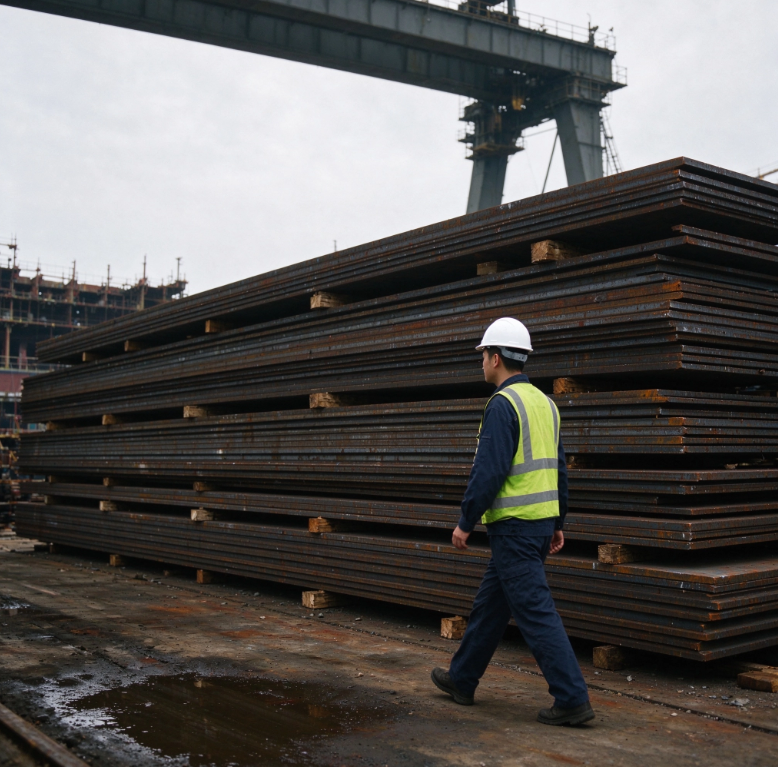
Beyond marine-grade and wear-resistant varieties, steel plates—as a broader category—find extensive application across numerous fields. In the construction industry, they are used to build structures such as buildings, bridges, and other infrastructure, providing the necessary strength and durability. Structural steel plates, a common type, serve as the foundation for various load-bearing structures and play a vital role in the overall stability of buildings.
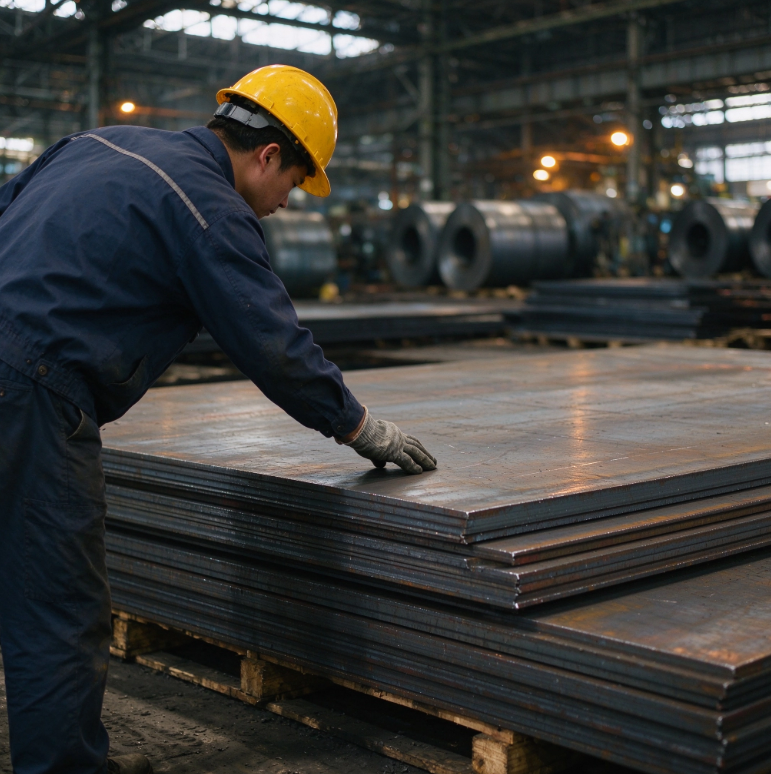
The automotive industry also makes full use of the versatility offered by steel plates. In automotive manufacturing, steel plates are used to produce vehicle frames, chassis, and various other components, ensuring that vehicles are safe, reliable, and capable of withstanding both collision impacts and the diverse stresses encountered during daily operation. The automotive industry’s rigorous precision requirements necessitate the use of steel plates with consistent quality and exact specifications—a goal that the steel manufacturing and processing sector is continuously striving to achieve.
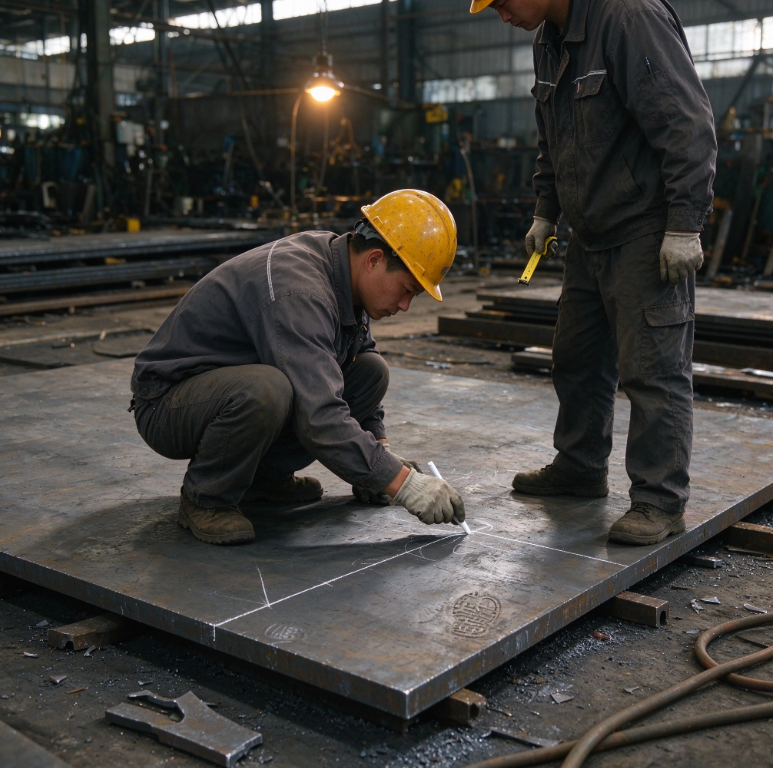
Steel plates also play a vital role in the realm of industrial machinery and equipment. Heavy machinery—such as bulldozers, cranes, and excavators—relies on steel plates to form robust and resilient structural frameworks. Similarly, in the oil, gas, and chemical processing industries, specialized steel plates are frequently used to construct storage tanks, boilers, and pressure vessels designed to endure high-pressure environments and exposure to corrosive substances.
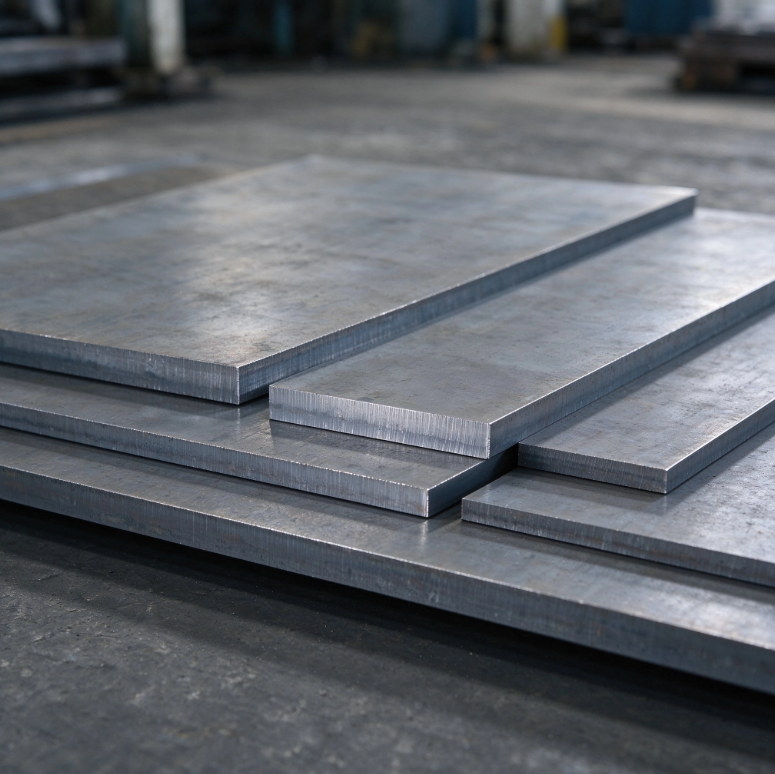
Furthermore, in the renewable energy sector—particularly within the wind and solar power industries—steel plates are extensively used to build sustainable infrastructure. Because the materials employed for wind turbine towers and solar mounting systems must be able to withstand harsh environmental conditions while ensuring long-term operational stability, steel plates serve as an ideal choice.
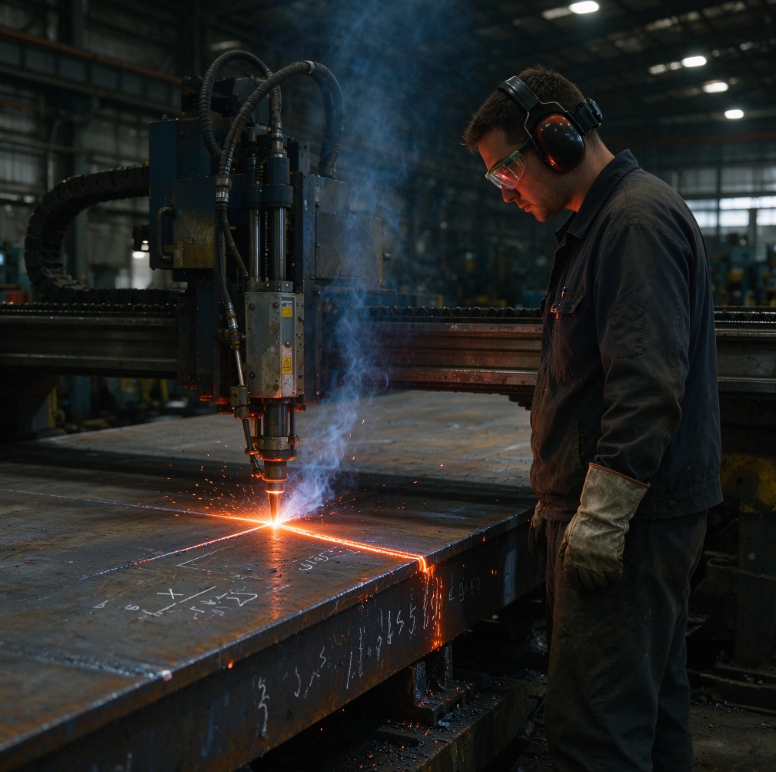
In summary, steel plates have an exceptionally broad range of applications and are indispensable across a wide variety of industries. From shipbuilding, construction, and automotive manufacturing to mining and renewable energy, steel plates provide a solid foundation for critical operations. A thorough understanding of the characteristics and specific uses of various types of steel—such as marine-grade or wear-resistant steel—enables professionals to make precise material selections. This, in turn, maximizes efficiency, extends the service life of equipment, and generates greater economic value within their respective fields. As technology and materials science continue to advance, innovations in steel manufacturing processes will further enhance performance and expand application potential, thereby driving the collective development of both traditional and emerging industries.
Post time: Nov-25-2026