


You know, the world of industrial materials is always shifting—kind of unpredictable with each new economic wave. Out there, steel pipes, furnace tubes, guardrails, aluminum plates, copper plates, and copper pipes are really the backbone of building and manufacturing. But 2023 seems to be shaking things up a bit. One big trend? Steel inventory around the globe keeps dropping, which is pushing steel mills in many countries to jack up their prices right out of the factory.
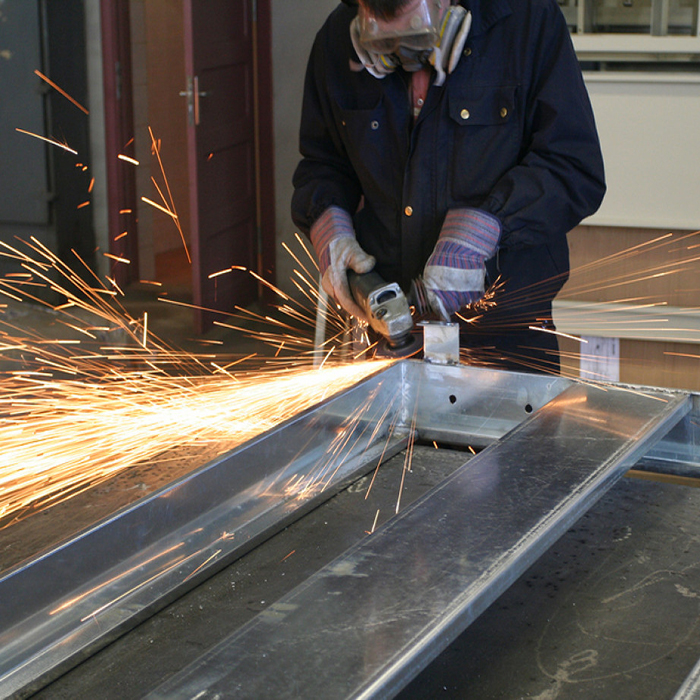
This whole inventory thing is pretty complicated. A lot of it has to do with lingering effects from the COVID-19 pandemic—these disruptions still mess with supply chains, labor availability, and what factories can produce. Plus, you’ve got geopolitical tensions, especially in the main steel-making regions, which are messing with trade routes and creating logistical headaches. All these things together are tightening the supply chain, and as a result, steel inventories worldwide are shrinking.
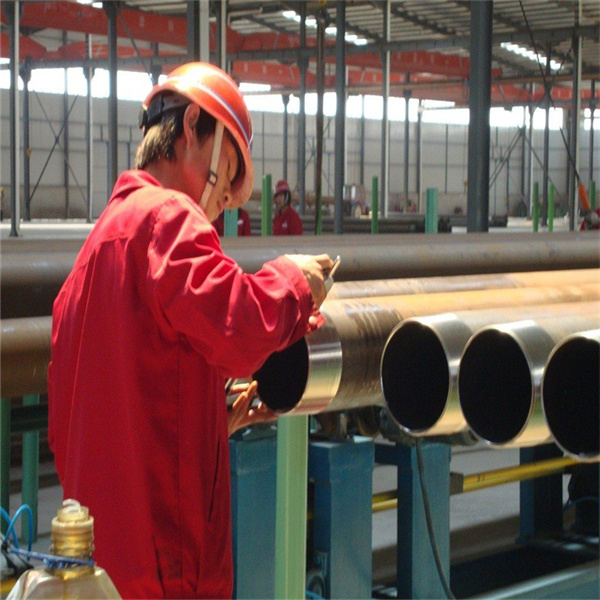
What happens next? Well, steel mills are responding by raising their ex-factory prices. And let me tell you, this isn’t just a small bump—it sends ripples through a bunch of industries. For example, infrastructure projects that need steel pipes and furnace tubes are feeling the pinch big time. These parts are super important for energy and water systems, but higher costs could slow down projects or mean spending more money.
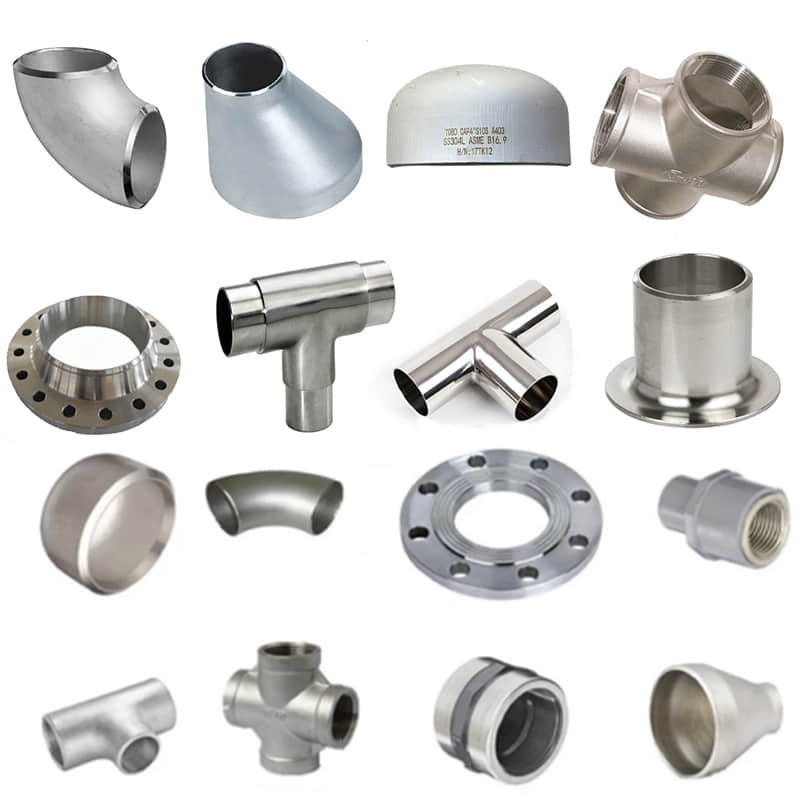
And it’s not just the big infrastructure stuff. Industries using steel for things like guardrails are also feeling the heat. Guardrails are huge for making roads safe, and since they rely heavily on steel, rising prices might push up the costs of installing and keeping those safe roads. That could throw a wrench in government budgets and planning.
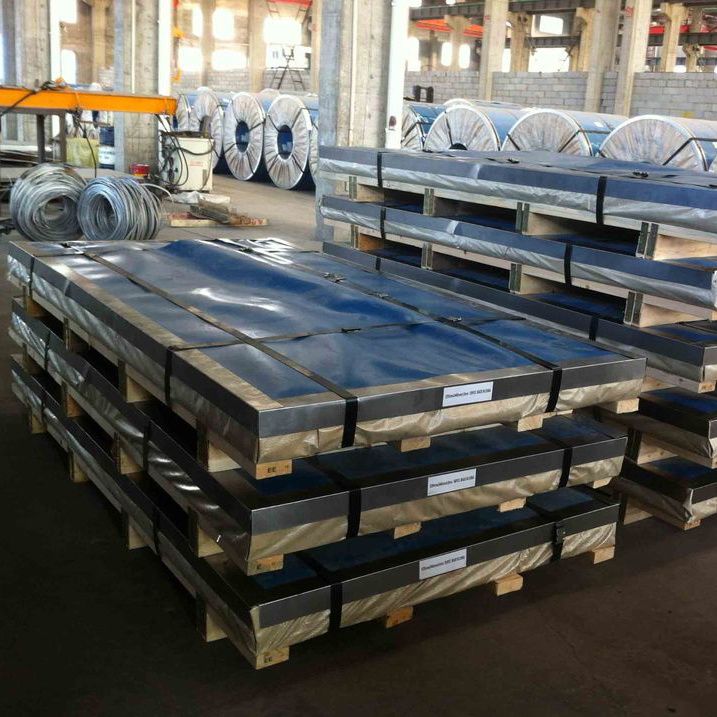
Then there’s the ripple effect—materials like aluminum and copper are also feeling the squeeze. Even though they’re used for different things, these materials are part of the same building ecosystem. As steel gets more expensive, industries might start turning to aluminum or copper as alternatives or complementary options. This could boost demand for these materials, which might cause their prices to fluctuate too. Aluminum plates, for instance, are super popular in auto and aerospace industries, and copper is big with electrical wiring and plumbing.
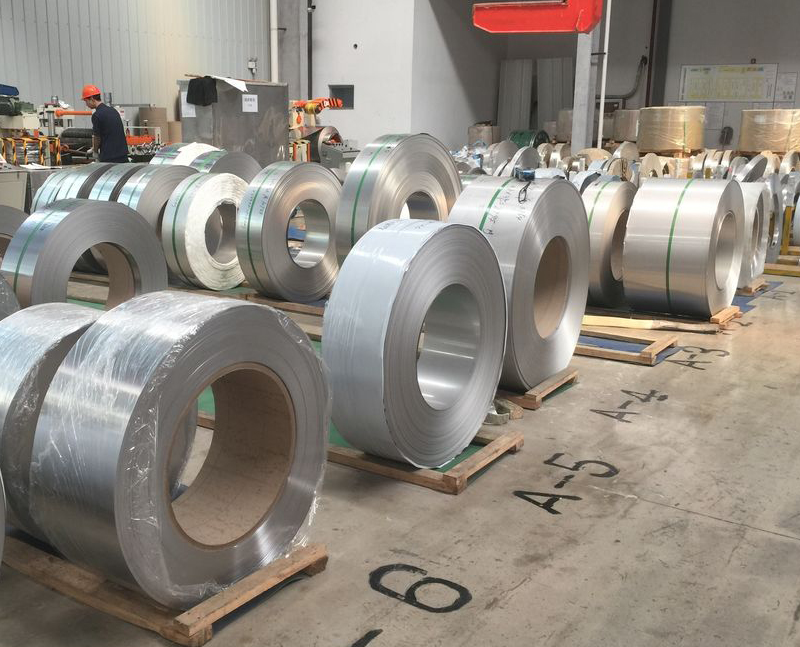
So, what can industries do? It’s all about staying flexible, you know? Companies need to think about diversifying their suppliers, investing in recycling to reuse materials better, and designing products in smarter ways to cut down on material waste. Having a plan B is more important than ever.
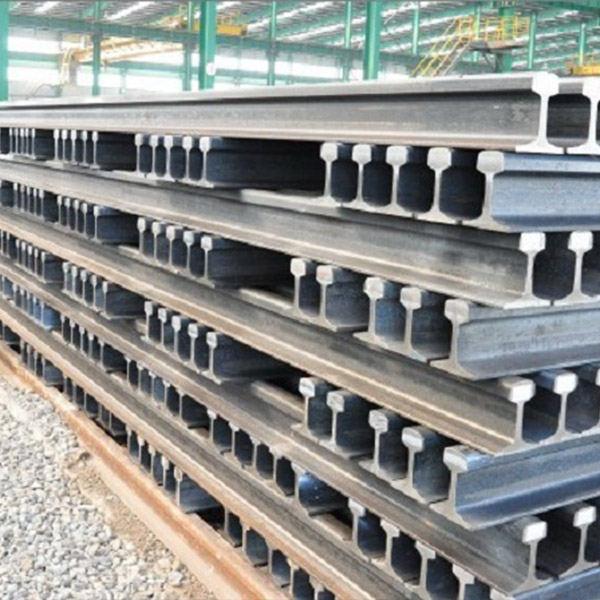
Bottom line: As steel inventories keep dropping and prices keep climbing, industries need to be ready to adapt. Whether it’s steel pipes or copper fittings, being proactive, innovative, and strategic is key to managing these ups and downs. Working together, embracing new ideas, and managing resources smartly will help everyone stay on track despite these tricky times. The only way forward is to stay sharp and ready to pivot as things change.
Post time: Sep-20-2026